D50R Photovoltaic Intelligent Cleaning Solution
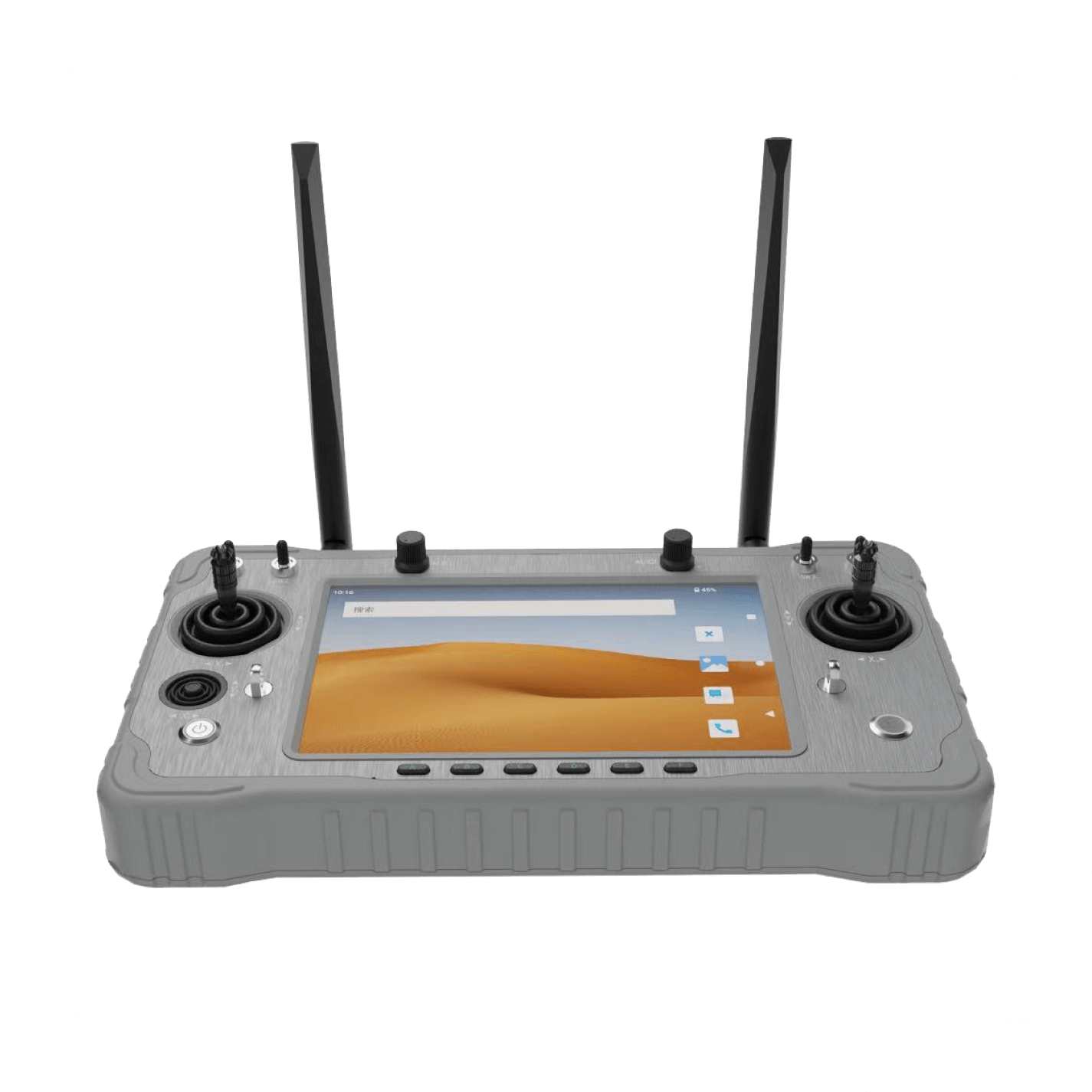
Multi-scenario applications
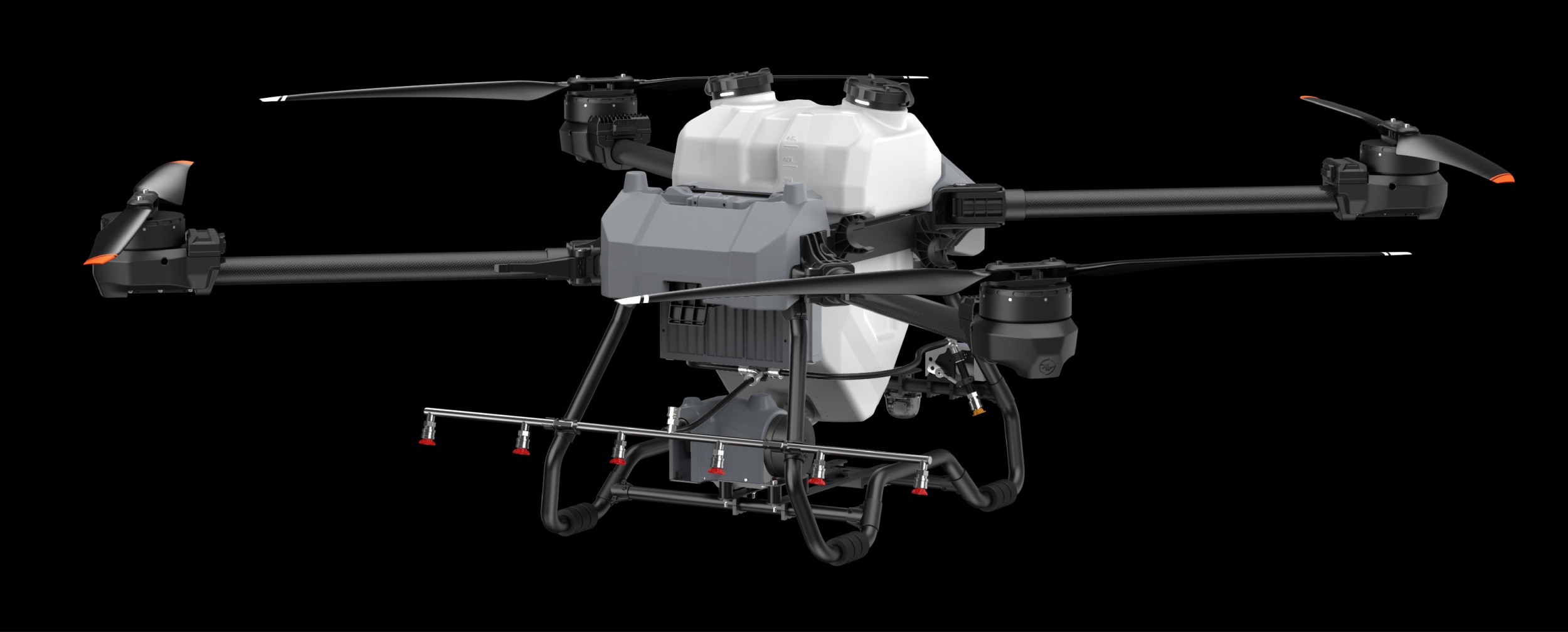
Stable operation at high altitudes, multi-module expansion, and compatibility with various nozzles.
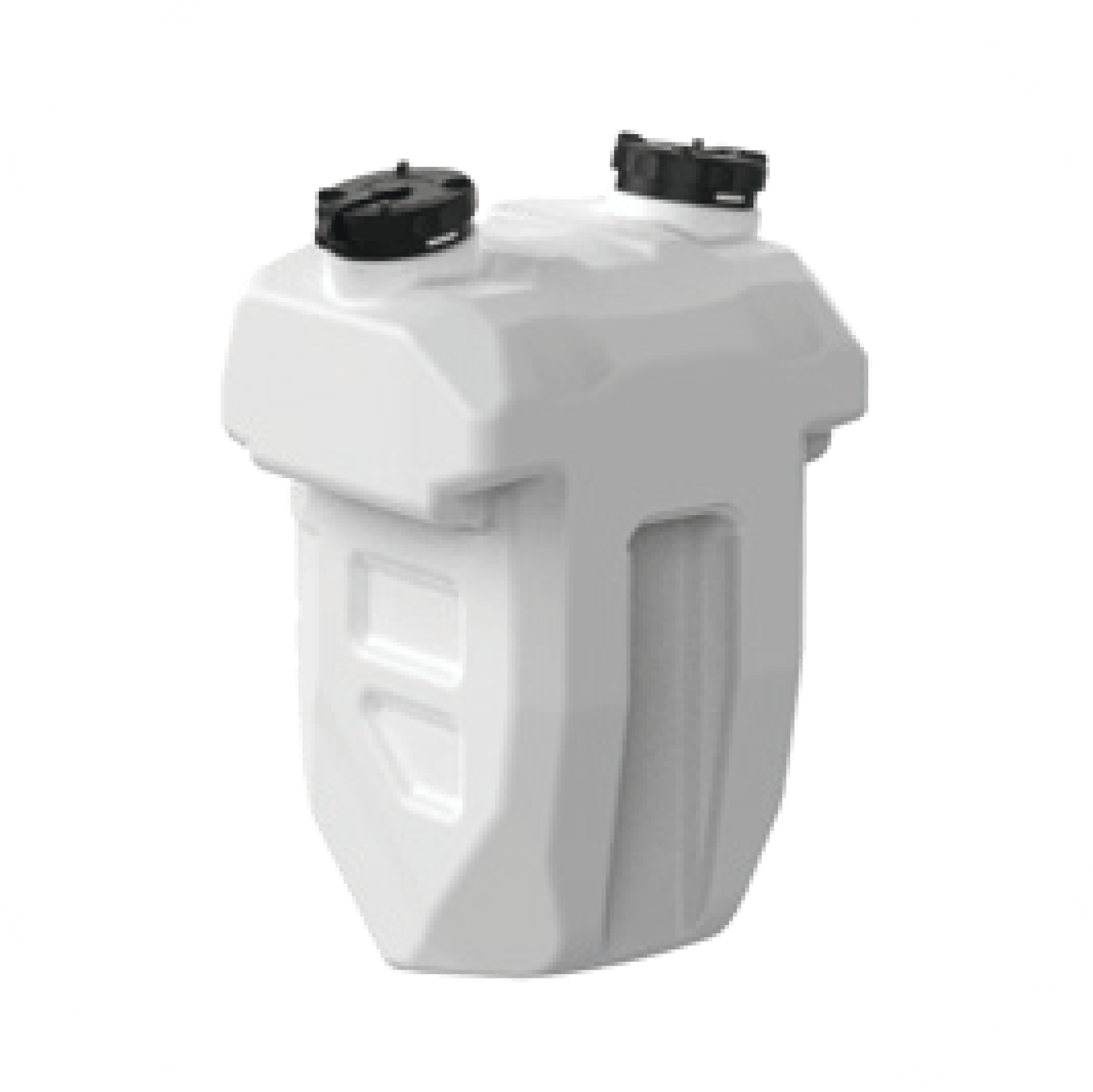
50L large capacity water tank
It can cover a large area in a single operation, reducing the frequency of water tank replacement, while also supporting quick liquid replacement and high efficiency for continuous operation.


Modular design
The optimal mounting and nozzles can be selected according to different tasks to meet the cleaning needs of various complex high-altitude environments.
Safety
Achieve unmanned high-altitude operations, dual RTK, and forward obstacle avoidance radar.
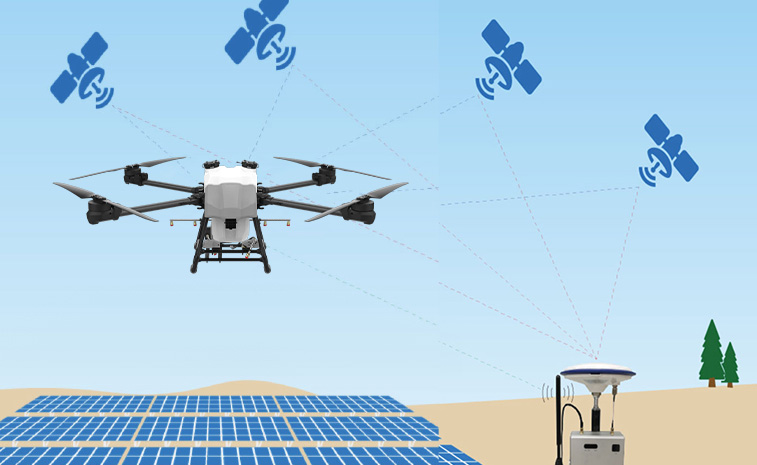
Dual RTK configuration
It integrates an RTK centimeter-level high-precision positioning module, which has accurate positioning capabilities and provides real-time centimeter-level positioning data, significantly improving the absolute accuracy of the data.
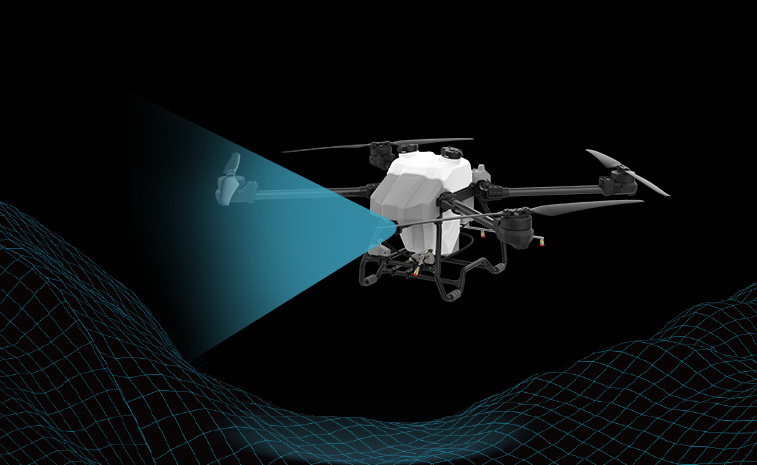
Intelligent obstacle avoidance and perception system
Equipped with radar sensors, it can perceive surrounding obstacles in real time, making flying safer.
Replacement for manual high-altitude work
Various complex high-altitude cleaning tasks can be completed remotely by personnel, eliminating potential hazards of high-altitude operations.

Application scenarios

Large-scale ground-mounted photovoltaic power station
Commercial and industrial rooftop solar power
Distributed photovoltaic cleaning
Residential rooftop solar
Fishery-solar complementary photovoltaic
Typical Case
—
Background difficulties
A Guangdong-based partner purchased Jiusi Intelligent's D50R cleaning drones for cleaning and maintenance of a photovoltaic project. Following the purchase, Jiusi Intelligent, the in-house developer, simultaneously connected the partner with local projects requiring photovoltaic cleaning. Leveraging this resource, the client successfully secured the Huizhou mountain-based solar-fishery hybrid photovoltaic project. This project covers approximately 100,000 square meters with an installed capacity of 20 megawatts. According to the project manager, the previous cleaning solution primarily used manual cleaning, supplemented by wall-climbing robots. However, due to the unique site conditions, the traditional operating model had significant drawbacks, and maintenance challenges remained unresolved for a long time.
The existing manual cleaning method has several drawbacks:
1. Low efficiency and long timeframe: A single person can only clean less than 900 square meters per day, and the overall cleaning cycle can take more than a month, seriously affecting the power station's operation and maintenance progress;
2. Poor cleaning effect and easy damage to components: Manual scraping is not thorough and can easily scratch the photovoltaic panel surface. Stepping on the components can easily cause microcracks. The wall-climbing robot has poor adaptability and cannot cope with complex working conditions;
3. High operational safety risks: The project is located in a mountainous water area, with the photovoltaic panels suspended above the fishpond. The working boats cannot reach the area, and personnel working near the water are prone to falling into the water. The wall-climbing robot has insufficient obstacle-crossing ability, limiting its working range;
4. Stubborn stains that are difficult to clean: The solar-aquaculture hybrid system is located near water, and the panel surface is prone to algae growth and rotting leaves. Conventional cleaning methods cannot completely remove them.
This assignment has multiple stringent constraints:
In addition to the inherent challenges, this cleaning drone operation also faced multiple stringent constraints, further increasing the difficulty of cleaning:
1. Environmental constraints: The operation area involves fishponds, where the control of cleaning agents is strict. Ordinary cleaning agents can easily pollute the water and poison aquatic products, seriously damaging the aquaculture economy, thus limiting the cleaning methods;
2. Operating condition constraints: The mountainous terrain is complex, the photovoltaic panels are densely arranged, the spacing is narrow, and the angle of the inclined surfaces is uneven, requiring constant adjustments to the cleaning direction and angle during operation, limiting flexibility.
Implementation effect
This 100,000㎡, 20MW mountain-based solar-fishery complementary photovoltaic project in Huizhou, after fully implementing the Jiusi Intelligent D50R drone integrated intelligent cleaning solution, completed all cleaning work in just 18 days, shortening the construction period by more than 60%. According to industry test data, the power generation of photovoltaic panels can be increased by 12%-15% after cleaning in such polluted scenarios. Based on an installed capacity of 20MW and an average annual power generation of 1.1 million kWh/MW, the annual power generation can be increased by an additional 2.64-3.3 million kWh. This perfectly solves a series of pain points that the project has long suffered from, such as low cleaning efficiency, high operational risks, poor cleaning effect, ecological constraints, and high operation and maintenance costs. The overall implementation results are outstanding and have won high recognition and praise from the project leader.
Jiusi Intelligent Solutions

Efficiency and construction period
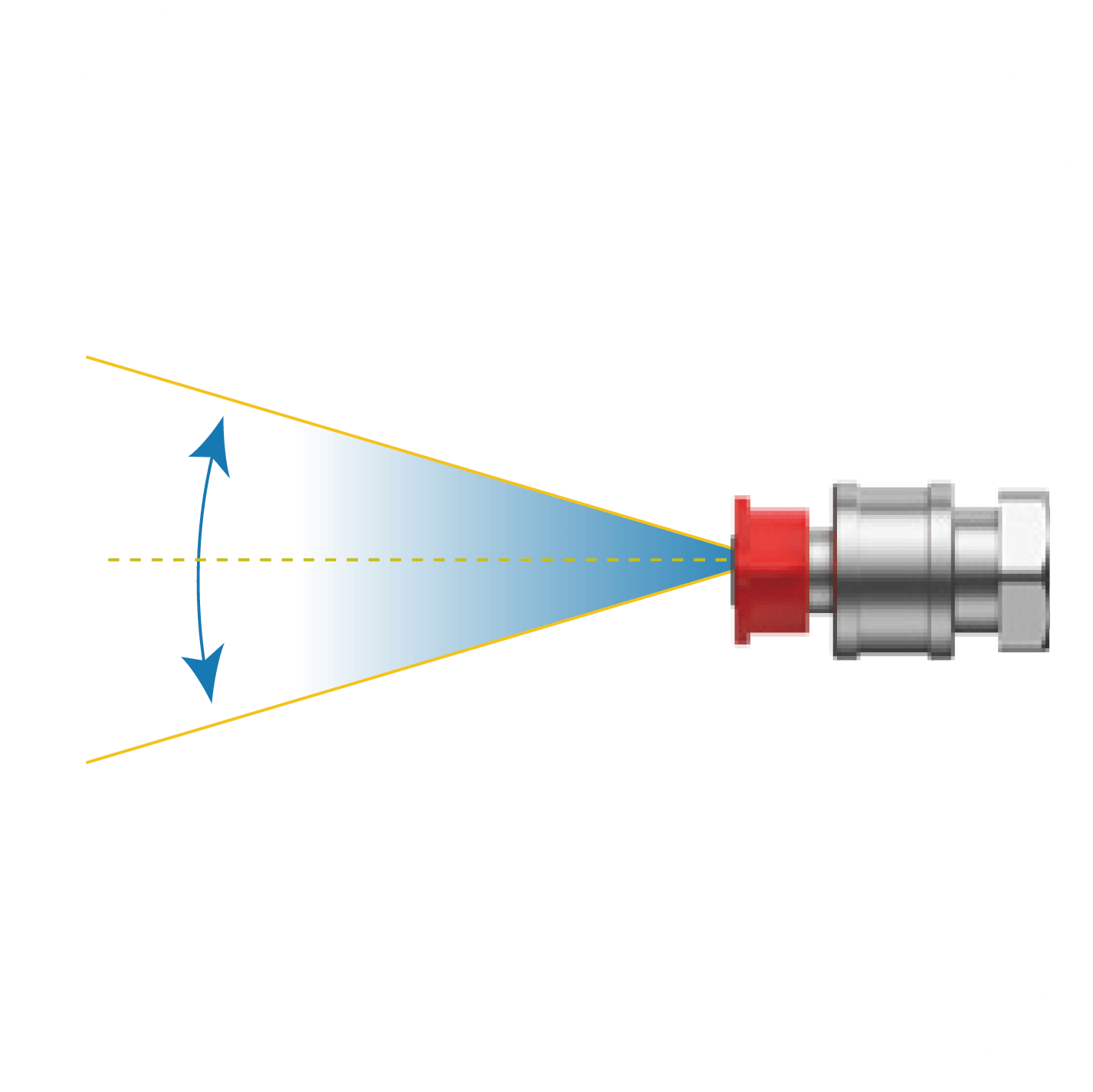
To address the issues of low efficiency and long project duration, a simplified operation mode of 1 pilot + 1 ground crew was adopted. The D50R drone carries a 50L large-capacity water tank and uses dual spray booms to oscillate and clean at 0-45 degrees. It can take off and land 5 times per hour, with each flight covering 138㎡, cleaning 5500㎡ per day, and completing the project in 18 days, shortening the project duration by more than 60%. With pre-set parameters, the drone automatically completes the entire process of takeoff—cruise cleaning, return to base, manual charging and water refill—and next execution, significantly reducing manpower input and management difficulty.

Cleaning and protection
To address issues of poor cleaning performance and easy damage to the board surface, the Jiusi Intelligent D50R cleaning drone utilizes a dual-redundant RTK positioning and intelligent obstacle avoidance perception system to automatically adjust its flight attitude, maintain a safe distance, and use a high-pressure water spray system to precisely remove stains, effectively reducing damage to the board surface.

Safety and Operating Conditions
Addressing the high safety risks of manual cleaning, the D50R aerial remote control operation completely detaches itself from the ground/water surface, eliminating the need for operators to be in dangerous areas, eradicating the risk of falling into the water, and allowing the drone to move flexibly, overcoming the limitations of mountainous and water terrain.

Stains and Environmental Protection
For stubborn stains and environmental issues, the customer adopted two solutions:
Solution 1: For mountain photovoltaic panels, Jiusi Intelligent JS012 environmentally friendly cleaner is used to quickly remove dust and bird droppings from the photovoltaic panels. After cleaning, the panels dry quickly without watermarks, ensuring both safety and environmental friendliness.
Solution 2: For solar-aquaculture hybrid photovoltaic panels, to ensure the normal operation of aquaculture, the customer adopted a high-pressure water rinsing solution. No cleaner is added; only clean water is used to rinse the photovoltaic panels. The strong water pressure of 8-10 MPa easily washes away dust, bird droppings, algae, and other stains from the panel surface. Areas with concentrated stains are targeted with a 0-degree nozzle, which basically solves the problem of severe dirt.

Cost and Operations
Regarding cost, the D50R cleaning drone offers higher efficiency and greater safety compared to traditional manual methods. Compared to older equipment, it boasts a high cost-performance ratio, is reusable, and requires less long-term maintenance. Furthermore, Jiusi Intelligent provides after-sales repair services, effectively extending the drone's lifespan and reducing the overall cleaning budget from the outset, achieving a highly efficient, safe, non-destructive, environmentally friendly, and cost-effective photovoltaic cleaning solution.

Implementation effect
This 100,000㎡, 20MW mountain-based solar-fishery complementary photovoltaic project in Huizhou, after fully implementing the Jiusi Intelligent D50R drone integrated intelligent cleaning solution, completed all cleaning work in just 18 days, shortening the construction period by more than 60%. According to industry test data, the power generation of photovoltaic panels can be increased by 12%-15% after cleaning in such polluted scenarios. Based on an installed capacity of 20MW and an average annual power generation of 1.1 million kWh/MW, the annual power generation can be increased by an additional 2.64-3.3 million kWh. This perfectly solves a series of pain points that the project has long suffered from, such as low cleaning efficiency, high operational risks, poor cleaning effect, ecological constraints, and high operation and maintenance costs. The overall implementation results are outstanding and have won high recognition and praise from the project leader.
Contact us today to learn more about JIUSI
Contact Person: Gert Schelfthout
Company: MELDRONE
www.meldrone.be
info@meldrone.be
+32 475 503 851
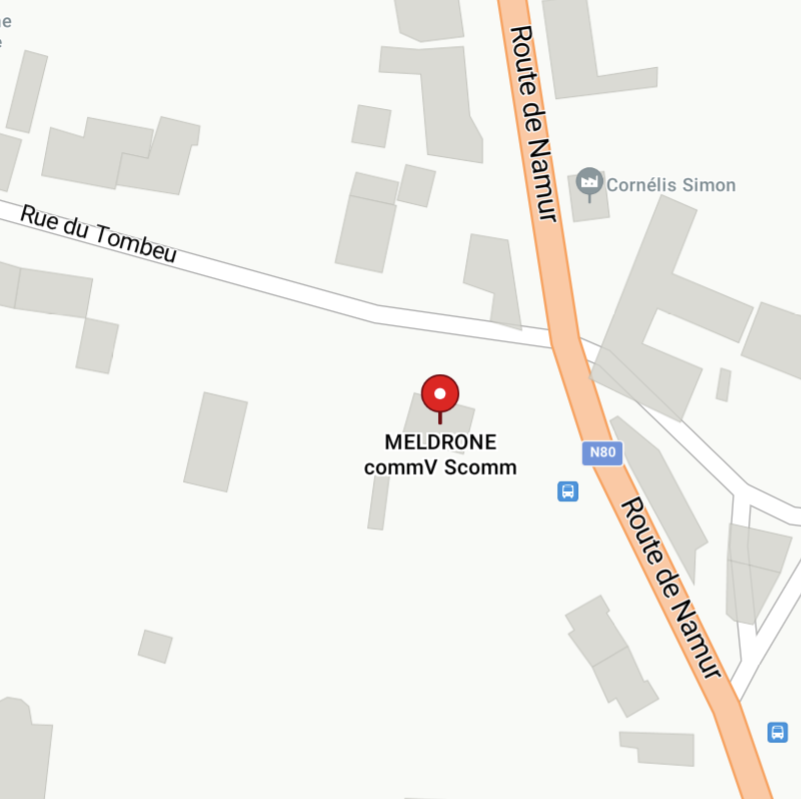
Address: Rue du Tombeu 3 B, 4280 Moxhe, Belgium
China After-Sales/Training Center:
Contact: Ren Kai
Company:Jiusi Intelligent Aviation Technology (Shenzhen) Co., Ltd.
www.jsirobot.com
3258345744@qq.com
+86 17322350395
Address:2nd Floor, Building 9, Aishang Technology Industrial Park, 108 Honghu Road, Yanchuan Community, Yanluo Subdistrict, Bao'an District, Shenzhen

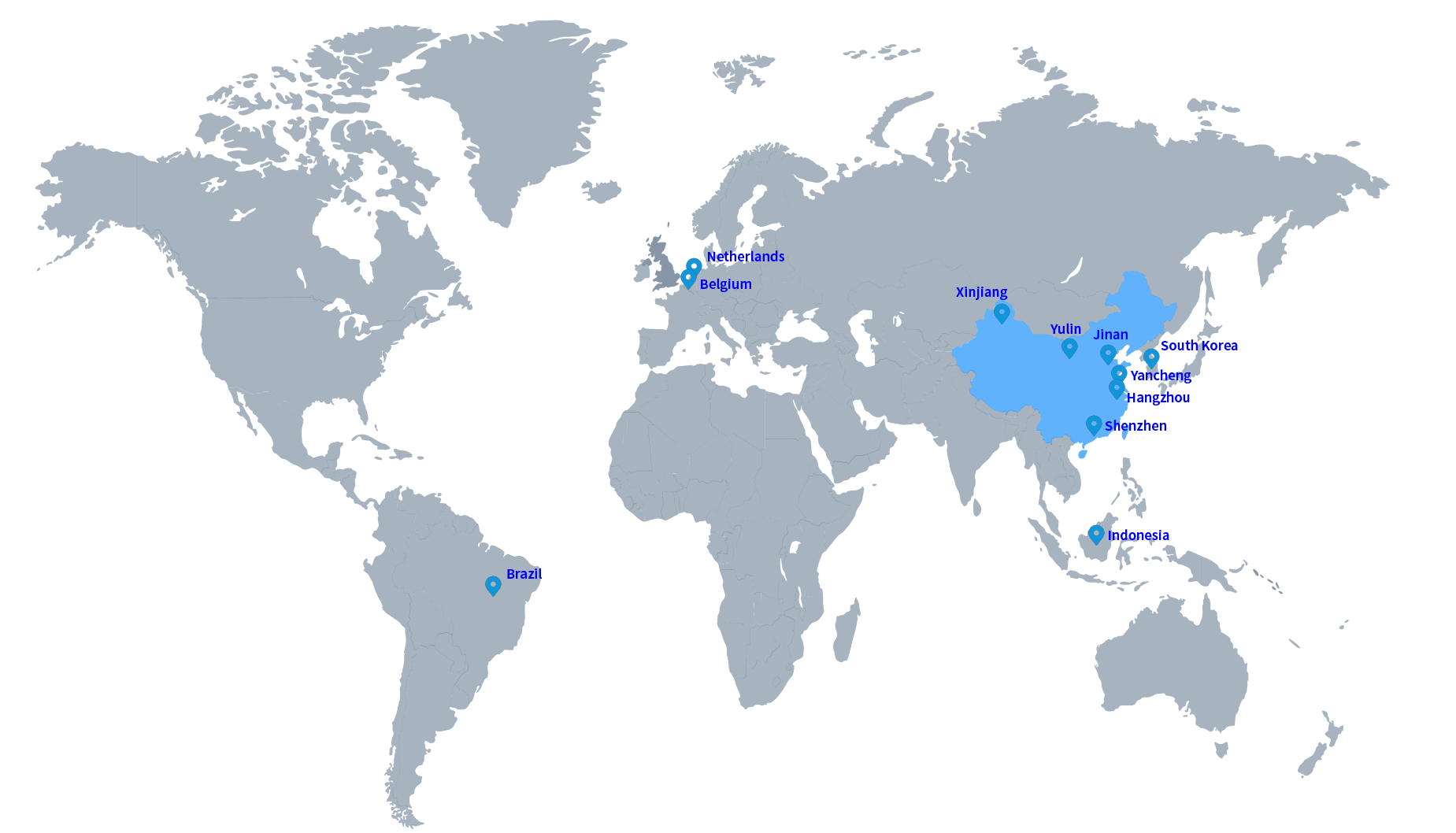
Dealer Map
Product Catalog Download
D15R Intelligent Cleaning Solution ( Chinese / English )
D50R Photovoltaic Panel Cleaning Solution ( Chinese / English )
D10R Integrated Cleaning Solution ( Chinese / English )
Water pump WP03 & electrical appliance JS3600 ( Chinese / English )
Drone-specific cleaning agent
-Powerful Cleaning Detergent JS001 ( Chinese / English )
- JS002 Super-Efficient Cleaner ( Chinese / English )
- Environmentally friendly cleaning agent JS012 ( Chinese / English )
Contact number: +86 18926056425
Email address: business@jsirobot.com
Company Address: Room 3204, Qiancheng Commercial Center, No. 5 Haicheng Road, Mabu Community, Xixiang Street, Bao'an District, Shenzhen, Guangdong Province
Join the JIUSI Smart Community to stay updated on events, news, announcements, and sales information.






Join the JIUSI community to stay updated on events,
News, announcements and sales information


 中文
中文




 Overseas: +86 18926056425 China: 18928421161
  business@jsirobot.com